The Future of Wastewater Engineers: Pioneering Sustainable Solutions
- AEC Hires
- Dec 9, 2024
- 2 min read
As the global population grows and urbanization accelerates, the demand for clean water and effective wastewater management becomes increasingly critical. Wastewater engineers are at the forefront of addressing these challenges, combining engineering expertise with innovative technology to protect public health, safeguard the environment, and drive sustainability. The future of wastewater engineering is not only bright but essential, as these professionals embrace emerging trends to tackle the complex issues of tomorrow.
Rising Challenges Demand Innovative Solutions
Water scarcity is a growing concern worldwide, with climate change exacerbating droughts and disrupting water cycles. Simultaneously, urban areas are facing aging infrastructure that struggles to keep pace with modern demands. Wastewater engineers must adapt to these challenges by developing resilient systems that optimize water use, reduce energy consumption, and minimize waste.
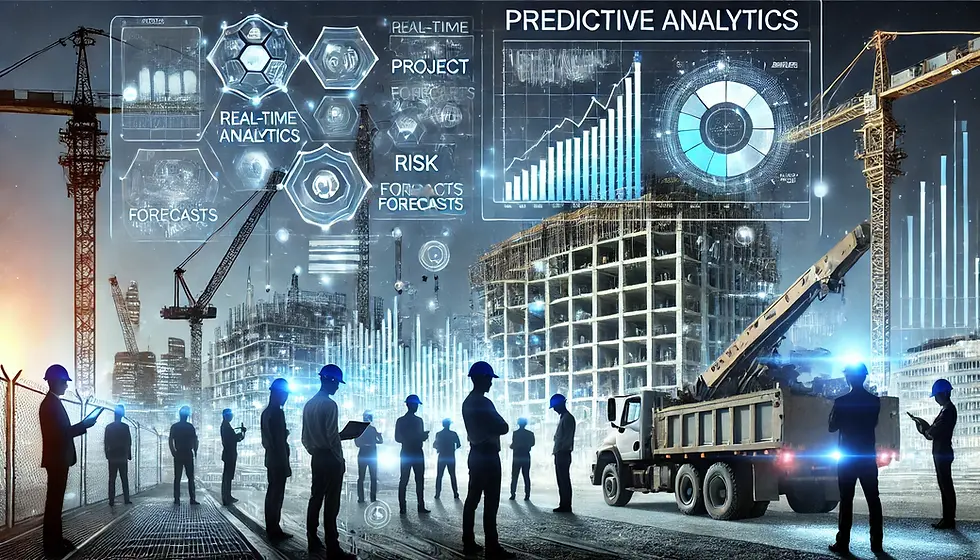
The integration of digital tools, such as advanced sensors, data analytics, and artificial intelligence (AI), will redefine the way wastewater systems are designed, operated, and maintained. Smart systems can monitor real-time water quality, predict equipment failures, and optimize treatment processes, reducing costs and environmental impact.
Emphasis on Sustainability and Circular Economy
The traditional linear approach to wastewater management—treat, dispose, and forget—is giving way to a circular economy model. Wastewater engineers will increasingly focus on resource recovery, transforming wastewater into valuable products such as clean water, energy, and nutrients.
Technologies like anaerobic digestion and microbial fuel cells can generate biogas from organic waste, providing a renewable energy source to power treatment plants. Similarly, phosphorus and nitrogen recovery systems can extract essential nutrients from wastewater, reducing reliance on synthetic fertilizers and contributing to sustainable agriculture.
Climate-Resilient Infrastructure
As extreme weather events become more frequent, wastewater engineers will need to design systems that withstand floods, hurricanes, and other climate-induced challenges. Adaptive infrastructure that can handle variable flows, mitigate pollution risks, and protect ecosystems will be paramount.
Green infrastructure solutions, such as constructed wetlands and permeable pavements, will play a significant role in mitigating stormwater runoff and enhancing water quality. By integrating natural processes with engineering designs, wastewater engineers can create multifunctional systems that support urban resilience.
Collaboration Across Disciplines
The future of wastewater engineering will require collaboration with experts from diverse fields, including environmental science, urban planning, and public health. Engineers will work closely with policymakers and communities to develop inclusive solutions that address local needs while meeting global sustainability goals.
Interdisciplinary approaches will also extend to workforce development. As wastewater systems become more complex, engineers will need advanced training in digital tools, sustainability practices, and regulatory frameworks. Investments in education and professional development will be crucial to cultivating a skilled workforce ready to lead the industry forward.
Looking Ahead
The role of wastewater engineers is evolving from problem-solvers to innovators and stewards of sustainable development. By embracing emerging technologies, adopting a circular economy mindset, and designing climate-resilient infrastructure, these professionals will continue to play a pivotal role in securing a sustainable future for generations to come.
In a world where water is increasingly recognized as a precious resource, the ingenuity and dedication of wastewater engineers will be instrumental in turning challenges into opportunities, ensuring access to clean water and a healthier planet for all.